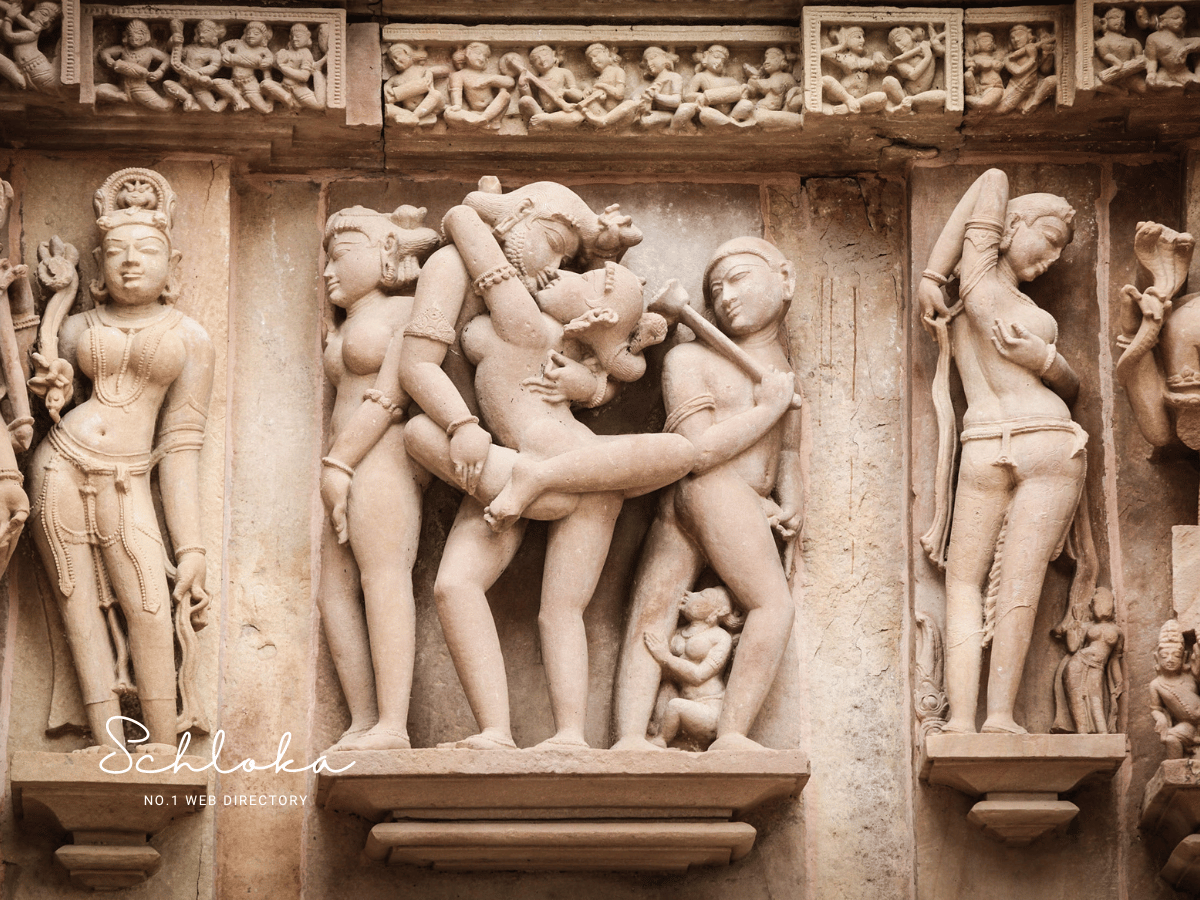
Vatsyayana's revered Kama Sutra advises on all elements of love, including kissing. The Kamasutra is a Sanskrit-published ancient Hindu classic about sensual love, and the name "Kama Sutra" comes from it. The author, Vatsyayana Mallanga, is primarily unknown except for his name. Composing it in the third century is quite probable.
Many people mistakenly believe that the Kamasutra is just a manual for sexual activity. Some of the other subjects covered include the following: how to pick a life companion, the nature of love, the keys to a happy life, and the maintenance of appropriate relationships.
As the nineteenth century came to a close, the sexual ideas associated with the Kama Sutra became known in Western culture thanks to an adaptation of the book by a British explorer named Richard Francis Burton.
Kama Sutra courting rituals reveal ancient India's political, economic, and social situations.
The Kama Sutra is part of Indian literature that values sensuality and pleasure. A profound psychological and spiritual bond is communicated via embraces, which go beyond mere physicality.
In ancient Indian civilization, depictions of close connections and love, particularly, were highly valued for their depth and ingenuity.
There is a social focus on complex and sophisticated human relationships, and the detailed descriptions of hugging techniques reflect that.
In ancient India, the four purusharthas (life objectives) were believed to include the ideas of Kama (desire, love, and pleasure) in addition to dharma (duty), artha (prosperity), and moksha (liberation). With kiss traditions, the Kama Sutra shows that dedication, affection, and pursuing bigger goals are appropriate.
An ancient Indian treatise on the performing arts, the Natyashastra, inspired the Kama Sutra. Like the prevalence of complicated and theatrical gestures in ancient Indian dance and theatre, the narratives of numerous kissing practices may be seen as a component of a broader history of exploring human feelings and expressions.
The Kama Sutra was written for a privileged and well-educated group of people. The refined and cultured preferences of ancient Indian society's higher strata are reflected in the intricate and diverse kissing techniques. Aesthetic and psychological relationships are meant to be created by these patterns.

The Kama Sutra elucidates the gender norms and social relationships of classic India.
There seems to be a sophisticated approach to gender relations and sexual intimacy in the many kissing styles, which emphasize understanding and reacting to a partner's wishes as well as mutual enjoyment.
This light and superficial kiss might be seen as a representation of the first stages of intimacy or as a kind of soft love.

This is a more intense emotional and physical involvement since it is a kiss that is more passionate and vigorous.
This kiss, which involves caressing the lips with the tongue, is a fun and experimental version of the intimate relationship.

Where one partner turns their head to the side to kiss, suggesting a deeper, more connected form of interaction.
A kiss that involves pulling the lips together forcefully, which is indicative of intense feelings and feelings of power.

Because of their focus on developing a more complete understanding of love relationships, increasing pleasure, and strengthening intimacy, the kissing postures outlined in the Kama Sutra are sometimes thought of as the "best" or most highly esteemed in the art of yoga. Here are a few important reasons:
Deeper Connection: The Kama Sutra stresses the importance of lovers' emotional and spiritual bonds. There are a number of kissing strategies that increase a connection & emotional connection, making kissing greater in significance.
The Kama Sutra encourages couples to experiment with different kissing styles until they find one that they love. This diversity is great for avoiding boredom and keeping things interesting in the relationship.
Individual Enlightenment and understanding each other's preferences by striving with various techniques may promote cooperation and pleasure in marriages.
Engaged Mindset and the comprehensive explanations of each kissing technique inspire couples to savour the moment, listening intently to their partner's responses and requirements. This kind of attention may increase intimacy.
Kissing may be made more meaningful and enjoyable by slowing down, as advocated for in the Kama Sutra.
The Kama Sutra kissing positions are among the best because they deepen emotional connections, encourage variety and exploration, promote mindfulness, ensure mutual pleasure, and integrate physical, emotional, and cultural aspects of intimacy. Kama Sutra kisses are fun, meaningful, and rewarding for partnerships with this entire strategy.




 Facebook
 Instagram
 Twitter
 Youtube
 Linkedin