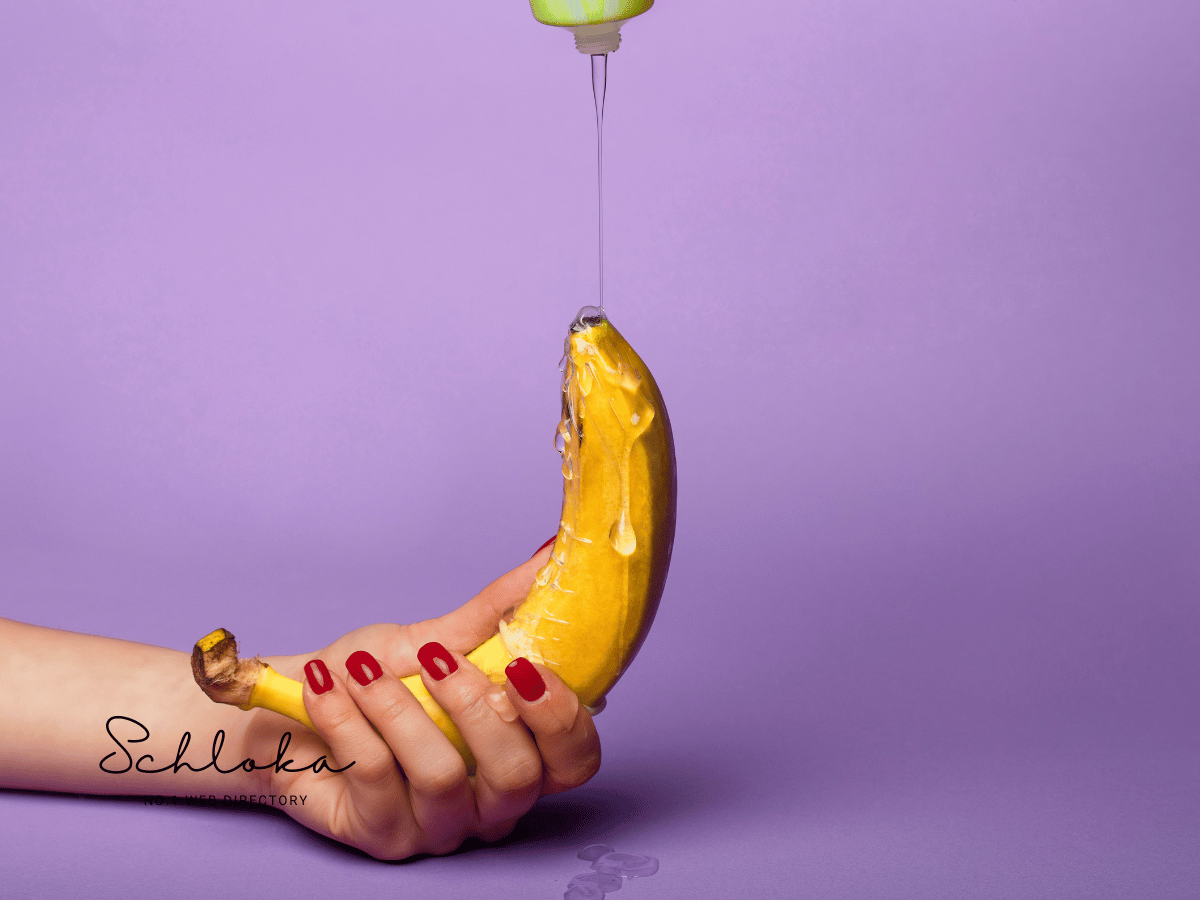
Can you work saliva as a lubricant? Saliva may also look like an accessible change in your own natural lubrication or the type. Some proof shows that some people favour the use of saliva over other lubricants.
Is it safe to use saliva as a lubricant? Saliva isn't always a good option to use throughout vaginal or anal sex if you or your partner does not have any lubricants accessible. Sexually transmitted infections (STIs) can spread to the genitals through saliva, which can also worsen the vagina.
Water- and silicone-based lubricants are safer than saliva and assist in reducing friction. Coconut oil is another alternative that facilitates addressing vaginal dryness and pain. Read directly to know more about why saliva is not a lubricant and what to use alternatively.
Saliva (commonly known as spit) is a more cellular fluid produced and secreted by salivary glands in the mouth. In people, saliva is around 99% water, plus electrolytes, mucus, white blood cells, epithelial cells (from which DNA may be corrected), enzymes (such as lipase and amylase), and antimicrobial agents (which include secretory IgA and lysozymes).

The enzymes located in saliva are essential in beginning the system of digestion of dietary starches and fat. These enzymes also play a role in breaking down food particles entrapped in dental crevices, hence defending teeth from bacterial decay. Saliva also plays a lubricating role, wetting meals, allowing the initiation of swallowing, and protecting the oral mucosa from drying out.
While it is possible to use saliva as lube, there are numerous reasons why you shouldn’t try this. Keep in mind that this isn't always a reliable lubricant, especially in case you need to have interaction in a protracted sex session or if you want to have sex with a partner.
First of all, saliva doesn't last long. It is too watery, and at the same time, as it is able to provide short-term treatment, it's too unreliable to use as a reliable lubricant. It doesn't make matters easy, and it's going to dry out fast. This is why it's not a very good concept to use for longer sex sessions, be it masturbation or sex with a partner.
Another problem is that saliva definitely cannot offer the whole lot that a good lubricant can. It doesn't provide enough lubrication, which is something you need in so many conditions. For example, placing a cock ring or taking it off in an emergency.
Finally – and that is without a doubt the most important factor – saliva isn't sterile. While you may sense well enough making use of your very own saliva on your penis all through masturbation, it isn't always a very good idea to use it with a partner. Also, even masturbation is not secure with your own saliva because it isn't sterile. It can transfer dust and bacteria on a vibrator or another toy, which may cause infections in both men and women. This will become even more trouble if you want to interact in some more high-end kinds of sexual sports that require truly sterile toys, including urethral play.
The human mouth is a complex environment, home to loads of various types of microorganisms, viruses, and fungi. While a lot of those microorganisms are harmless, a few can cause health issues if transferred to different components of the body. Using saliva as a lubricant throughout sex can introduce those pathogens into the genital area or into the bloodstream, inflicting numerous health problems.
One of the main risks with the use of saliva as lube is the increased risk of transmitting infections. Conditions consisting of herpes, gonorrhoea, chlamydia, and human papillomavirus (HPV) can easily be passed from the mouth to the genital area. Even if someone does not have lively signs of an oral infection, they cannot be carriers of these pathogens, posing a risk to their partner.
The mouth harbours microorganisms that are not normally found in the genital area. Introducing this microorganism through saliva can lead to bacterial vaginosis or yeast infections in women. These conditions can cause discomfort, itching, and release and may disrupt the natural stability of microorganisms in the vagina.
Any STI you have in your mouth or throat can absolutely be spread to the genitals through your saliva. For example, in case your partner has a herpes lesion, using his spit as a lubricant could bring about your getting genital herpes. The physician showed that this is the way most people get genital herpes.
In this same way, you may get chlamydia, gonorrhoea, HPV, trichomoniasis, and syphilis. Just like herpes, this kind of infection won't show any instant symptoms.
Physicians can affirm that the microorganism in your saliva is nowhere close to similar to the bacteria in your lady elements. Also, spittle has particular digestive enzymes that disassemble meals. When you get these enzymes and microorganisms into your personal components, they could unbalance your private vaginal microbiome.
This can cause the development of bacterial vaginosis or yeast contamination. These curable, albeit irritating infections occur whilst your stability of evidently existing bacteria and yeast gets thrown off-kilter. The use of spit for lubricant during sex can easily adjust your intimate area’s ecosystem sufficiently to activate those specific infections.
Although rare, people can experience allergies to their partner's saliva. This can result in infection, itching, and pain in the genital area.
Aside from the health risks, saliva may not offer the same level of lubrication as commercially available lubricants. This can cause friction, discomfort, and even micro-tears in the skin, which can become entry points for infections.
For a more secure and more comfortable experience, recall using water-based or silicone-based lubricants, which are specifically designed for sexual experiences. These products are researched, accepted and relied on.
While saliva can feature as a lubricant, there are situations where its use has to be avoided. They encompass:
1. If either partner has an active oral contamination, a cold sore, or is feeling ill, it's best to refrain from the use of saliva as a lubricant to prevent the spread of infection.
2. If either partner has a sexually transmitted infection (STI), the use of saliva can increase the risks of transmission.
3. If either partner is a smoker, Smoking can alter the composition of saliva, doubtlessly making it much less effective as a lubricant and more likely to cause infection.
4. If both partners have consumed Alcohol, Alcohol can dehydrate the body, which includes the saliva. Dehydrated saliva might not offer adequate lubrication, leading to discomfort in the course of sex.
According to evidence from research, saliva is the root cause of many bacterial and fungal infections that cause problems in a girl's reproductive system with problems. “Remember that they may be a distinct type of microorganism, so they cannot live collectively, this effects into struggle and causes either the touring or resident bacteria to weaken. Saliva cannot even be as slippery as predicted, which may easily cause tears because it dries up easily. Numbers are counselled to spend more time engaging in foreplay to create sufficient sexual stimulation for good enough lubrication.




 Facebook
 Instagram
 Twitter
 Youtube
 Linkedin